
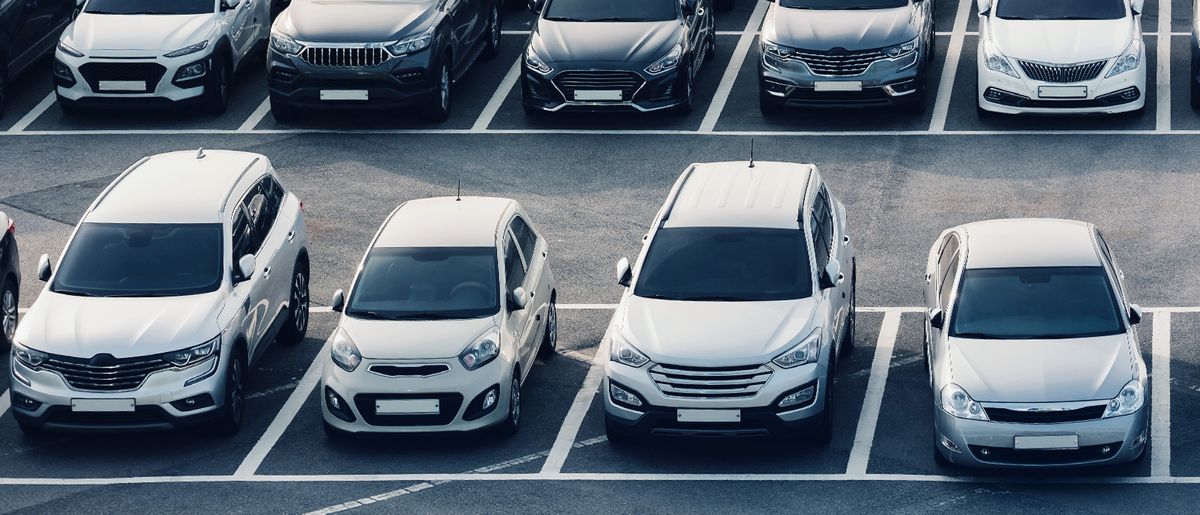
If you’re looking to get your team on the road, you’ve likely encountered the term "fleet vehicle." Simply put, a fleet vehicle is any car, van, or truck leased or owned by a company rather than an individual. These vehicles are the workhorses of corporate operations, used for everything from sales visits and executive travel to last-mile deliveries.
While traditional fleet ownership (like buying or leasing) was once the only way to manage company mobility, today’s market demands more agility. Between high upfront costs, rigid lease terms, and the headache of maintenance, many businesses are moving away from ownership and toward flexible, on-demand solutions.
In this article, we cover:
What Is Considered a Fleet Vehicle? Fleet Vehicle Definition
In the US, terms like "fleet," "business," and "commercial" are often used interchangeably, but there are distinct differences:
- Fleet Vehicles: Any group of vehicles (as few as two) owned or leased by a company for business use.
- Business Vehicles: These can be personally owned but used for work (think of a real estate agent using their own car). These are generally not considered part of a "corporate fleet."
- Commercial Vehicles: Typically larger assets like heavy-duty trucks or transit vans. These can be part of a fleet, but their classification often triggers specific DOT regulations.
Now that you know what's considered a fleet vehicle and what isn't, consider these common examples:
- Company cars
- Rental cars owned by a rental agency
- Delivery trucks
- Government vehicles
Based on the above information, a corporate fleet, therefore, is a group of vehicles owned or leased by a company in order to carry out its operations. These can range from passenger cars to delivery trucks and can be used for employee or product transport, deliveries, or any other purpose that serves the organization.
Fleets can also differ in size depending on the size of the company and the scope of its operational demands. To qualify as a fleet, you really only need to have two vehicles. A large fleet comprises 51 or more vehicles, while a medium fleet typically has between 11 and 50 cars. A small fleet is one with anywhere from two to 10 cars.
What Are Fleet Vehicles Used For?
Fleet vehicles can be used in any way that supports your business operations. Consider some common applications of fleet vehicles:
- Employee transport to and from meetings or events: Company cars are often used for this. It's quite common for sales representatives and real estate agents.
- Delivery and logistics purposes: Commercial vehicles delivering products to businesses or packages to individuals are often used by manufacturing or delivery companies.
- Home repair and technological service: Your employees may need to transport equipment to provide services. Plumbers and technicians are common examples.
- Specialized jobs: Police cars, ambulances, and construction vehicles all count as fleet vehicles.
Certain industries, such as construction, sales, and delivery, rely heavily on fleet vehicles to manage overall costs and optimize their operations. Whether you're transporting materials for an event or attending sales meetings, how you use your fleet vehicles is ultimately up to you as long as it aligns with your company's vehicle policy.
Obstacles in Traditional Fleet Ownership
Traditionally, having a fleet has been limited to two acquisition methods: buying and leasing. Both of these, however, have high TCOs thanks to their high upfront costs and maintenance obligations. Purchasing a fleet vehicle comes with the highest upfront cost, but with down payments and high monthly payments, leasing isn't far behind.
Buying and leasing also tend to lack flexibility. If you buy a fleet car, you may be able to customize it as you wish, but the burdens of resale, depreciation, maintenance, and repair will stick with you throughout the vehicle's lifecycle. The only way to get rid of these is ultimately to sell the car. Similarly, leasing a fleet vehicle locks you into a long-term contract, usually of a year or more, with potentially high monthly payments. If you want to terminate your contract, it also comes with a high cancellation fee in most cases, and you could get hit with surprise fees at return depending on the wear and tear that occurred during your use period.
How SIXT business Solutions Can Help
SIXT business, however, offers flexible alternatives to these traditional acquisition methods via its long-term rentals and car subscriptions. Both of these options eliminate the high upfront costs of buying or leasing, and they also provide flexibility and scalability for your fleet.
- A long-term car rental, for example, is a more cost-efficient option that resembles owning a fleet vehicle, but there's no down payment, and SIXT corporate clients can enjoy up to 15% off car rentals. Long-term car rentals allow you freedom of access to your fleet during your rental period and give you the opportunity to maintain it without locking you into rigid contracts that cost a lot to break.
- A car subscription, on the other hand, provides ample flexibility, which can be optimal for growing businesses or those whose fleet scales based on season. This all-inclusive service includes maintenance, repair, and insurance in your monthly payment, giving you a predictable price and removing these burdens from your plate. You can pause, cancel, or reactivate your subscription on a monthly basis, so you don't pay for more than what you need. You also have the freedom to swap out your vehicle for a different model as needed. SIXT also offers electric vehicles, which can be beneficial for those considering EV fleet conversion.
Traditional Fleet Ownership vs. SIXT business solutions
It's clear that the solutions offered by SIXT can mitigate or even eliminate many of the risks and responsibilities associated with traditional fleet ownership. Let's break down the main differences:
| Buying | Leasing | SIXT long-term car rental | SIXT+ car subscription | |
|---|---|---|---|---|
Upfront costs | High | High, but lower than buying | Low | Low |
TCO throughout vehicle lifecycle | High | High | Low | Low |
Contract length | Full vehicle lifecycle, unless resold | 1 year or more | Based on your preference | 3 months |
Maintenance and repair | Full responsibility falls on you | Typically covered by the lender | Covered by SIXT | Covered by SIXT |
Depreciation | Full responsibility falls on you | Your monthly lease payment factors in depreciation. | Not applicable | Not applicable |
Other benefits | Vehicle customization and branding | Predictable monthly payments | No fixed-term contracts and you get a fixed price calculated by the day | Contract flexibility and access to new, premium vehicle models |
FAQs About Fleet Vehicles
You typically have the freedom to decide how your fleet vehicles work for you. Overall, though, fleet vehicles need to be acquired and then managed throughout their lifecycle. Following some fleet management best practices can help you optimize the performance of your fleet vehicles.
Fleet management trends include the electrification of fleets, the use of telematics systems and AI to optimize performance and reduce costs, and a move towards autonomous vehicles.
This decision will depend on your needs. If you need a reliable, long-term option and you want to add branding, it's best to buy. If you need a vehicle for a shorter amount of time and you don't want to be responsible for maintenance, a lease is a better option. The alternatives available through SIXT like long-term rentals and car subscriptions, however, allow for more flexibility with no fixed contracts and the ability to manage them via the SIXT app.
Simplify Your Fleet with SIXT
Fleet vehicles owned by businesses can greatly enhance your operations, giving you more freedom of movement and making it easy to carry out your day-to-day operations. No matter which vehicle acquisition method you choose, proper fleet management is essential to reduce overall costs, meet operational demands, and get the best possible performance out of your fleet vehicles.
If you're looking for modern, innovative solutions tailored to growing businesses, consider the long-term car rentals and car subscriptions offered by SIXT. These cost-effective, flexible alternatives provide you with the opportunity to test out different vehicles, enjoy corporate discounts, and customize your plan without high upfront costs or rigid contracts.
Around the company car
Discover SIXT business! Find your perfect company car, rental car for your next business trip, or THE fleet solution for your company.
- German company cars
- Fringe benefits examples
- How to start a delivery service
- 10 Keys to business success
- Most common company cars
- Company car USA